Still Paying for the Ghost: How Obsolete Systems Keep Draining Enterprise IT Budgets
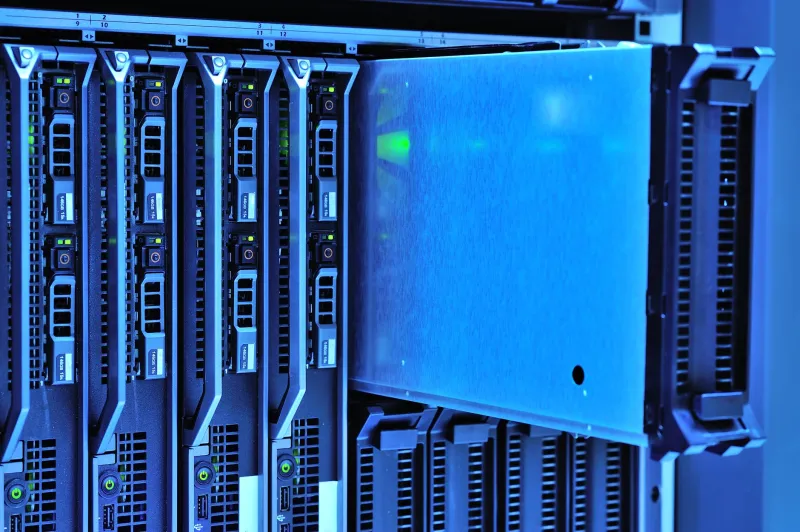
In enterprise IT, decommissioning a system is rarely as simple as flipping a switch. There are dependencies to verify, data to archive, stakeholders to notify, and contractual obligations to untangle. The process is tedious, time-consuming, and almost never urgent — which is precisely why so many organizations never complete it.
The result is a category of spending that finance teams rarely flag and IT teams rarely prioritize: active budget allocated to systems that have been functionally replaced but never formally retired. These are not systems anyone is actively using. They are not systems anyone is actively defending. They are systems that simply never received a formal end-of-life, and so the invoices keep arriving and the payments keep going out.
For mid-sized and large enterprises operating across multiple business units and technology generations, this problem compounds quickly. What begins as a handful of overlooked license renewals can grow into a sprawling layer of dormant infrastructure consuming tens or even hundreds of thousands of dollars annually — budget that could be redirected toward modernization, security, or operational improvement.
Why Obsolete Systems Stay on the Books
The persistence of these expenditures is not primarily a technical failure. It is an organizational one.
When a new system is implemented to replace an older platform, the implementation project consumes the team's full attention. The go-live is the milestone everyone is working toward. Once that milestone is reached, the project is declared successful, and resources move on. The formal decommissioning of the predecessor system — migrating residual data, terminating licenses, shutting down infrastructure, canceling support contracts — gets deferred to a follow-up phase that frequently never materializes.
Over time, institutional memory about the old system fades. The team members who championed the migration move to other roles. The system lingers in the environment, still consuming resources, but no longer visible enough to draw scrutiny. When budget reviews occur, the line items associated with it blend into the broader IT spend without triggering meaningful questions.
There is also a risk-aversion dynamic at play. IT teams are understandably reluctant to terminate contracts or shut down infrastructure without absolute certainty that nothing still depends on it. In complex enterprise environments, that certainty is difficult to achieve. Undocumented integrations, legacy reporting processes, and edge-case dependencies can surface unexpectedly when a system is removed. The safest path, from an operational standpoint, often appears to be doing nothing — and so nothing gets done.
The Scale of the Problem Is Larger Than Most Leaders Realize
Industry research consistently indicates that a significant portion of enterprise software spend yields little to no measurable business value. While shadow IT and over-provisioned licenses receive substantial attention in cost management discussions, the quieter category of spending on fully obsolete systems tends to receive far less scrutiny.
Consider a typical enterprise that has undergone two or three major platform transitions over the past decade — ERP upgrades, CRM replacements, infrastructure migrations to cloud environments. In each case, the legacy platform likely retained some level of active expenditure after the replacement went live. Multiply that pattern across business units, geographies, and technology categories, and the aggregate cost becomes substantial.
Support contracts are a particularly common source of this waste. Vendors are not motivated to remind customers that they are paying for support on a system they no longer actively use. Annual renewals process automatically. Unless someone on the IT or procurement side performs a deliberate audit against current operational usage, the expense continues indefinitely.
A Practical Framework for Identifying and Eliminating Dormant Spend
Recovering budget trapped in obsolete systems requires a structured approach. The following framework provides a practical starting point for enterprise IT leaders who want to address this problem systematically.
Step One: Build a Complete Inventory of Active Contracts and Licenses
Before you can identify what is obsolete, you need a comprehensive view of what you are currently paying for. This means consolidating software license agreements, infrastructure contracts, and support arrangements into a single, searchable inventory. Many organizations lack this consolidated view, which is itself a significant governance gap. Work with procurement and finance to pull vendor payment data and cross-reference it against your IT asset management records.
Step Two: Map Each Expenditure to Current Operational Usage
For each item in your inventory, answer a straightforward question: Is this system actively used in production today? Not theoretically available. Not retained as a contingency. Actually in use, by actual users, performing actual business functions. Usage data from your identity and access management systems, application performance monitoring tools, and help desk records can help substantiate these assessments. Where usage data is unavailable, direct outreach to system owners and department leads is necessary.
Step Three: Identify Systems That Have Been Functionally Replaced
Cross-reference your inventory against your implementation history for the past three to five years. For every platform replacement or migration project completed during that period, verify whether the predecessor system was formally decommissioned. In many cases, you will find that it was not — or that decommissioning was only partially completed.
Step Four: Quantify the Cost of Each Dormant System
For each system identified as obsolete or functionally replaced, calculate the total annual cost including licensing, infrastructure, support contracts, and any internal labor associated with maintaining it. This quantification serves two purposes: it establishes the business case for decommissioning, and it creates the accountability needed to prioritize action.
Step Five: Execute Decommissioning With Appropriate Rigor
Decommissioning is not simply a matter of canceling a contract. It requires confirming that all data has been archived or migrated in accordance with your retention policies, that all integrations and dependencies have been resolved, and that all relevant stakeholders have signed off on the retirement. Assign a specific owner to each decommissioning effort and establish a defined completion date. Without explicit ownership and accountability, these projects will continue to be deprioritized.
The Organizational Case for Acting Now
Beyond the direct budget recovery, there is a broader strategic rationale for addressing dormant IT spend. Every obsolete system that remains in your environment is a potential security liability. Systems that are no longer actively managed are less likely to receive security patches, more likely to have unmonitored access credentials, and more likely to create audit findings during compliance reviews.
There is also a resource argument. IT teams in most enterprises are operating under capacity constraints. Every hour spent managing, monitoring, or troubleshooting a system that serves no operational purpose is an hour not spent on initiatives that actually advance the organization's objectives.
Finally, there is the credibility argument. When IT leadership can demonstrate a disciplined, evidence-based approach to cost management — one that actively recovers budget from inefficient spending rather than simply requesting additional resources — it strengthens the function's standing with finance and executive leadership. That credibility matters when the next major investment proposal lands on the CFO's desk.
Conclusion
Obsolete systems survive in enterprise IT environments because the organizational incentives to eliminate them are weak relative to the friction involved in doing so. Changing that equation requires deliberate effort: structured audits, clear ownership, and a commitment to following through on decommissioning rather than treating it as an afterthought.
The budget is there. It is simply allocated to systems that no longer earn it. Recovering it is not a complex technical challenge — it is a matter of organizational discipline and the willingness to close the door on platforms that have already been replaced.